
Building an AI Data App with AI
It started as a Slack bot. An AI agent that could answer questions about the DoubleZero network: latency between cities, validator counts, outage history. You’d ask a question, it would figure out what SQL to run, and give you an answer.
But it felt too opaque. Answers alone weren’t enough. What queries did it run? What data was it looking at?
So over the holidays, I started building a UI. Just a chat interface, but one that exposed the agent’s thinking: the reasoning steps, the queries it wrote, inline citations linking claims back to specific results.
I was just experimenting. And then I wasn’t.
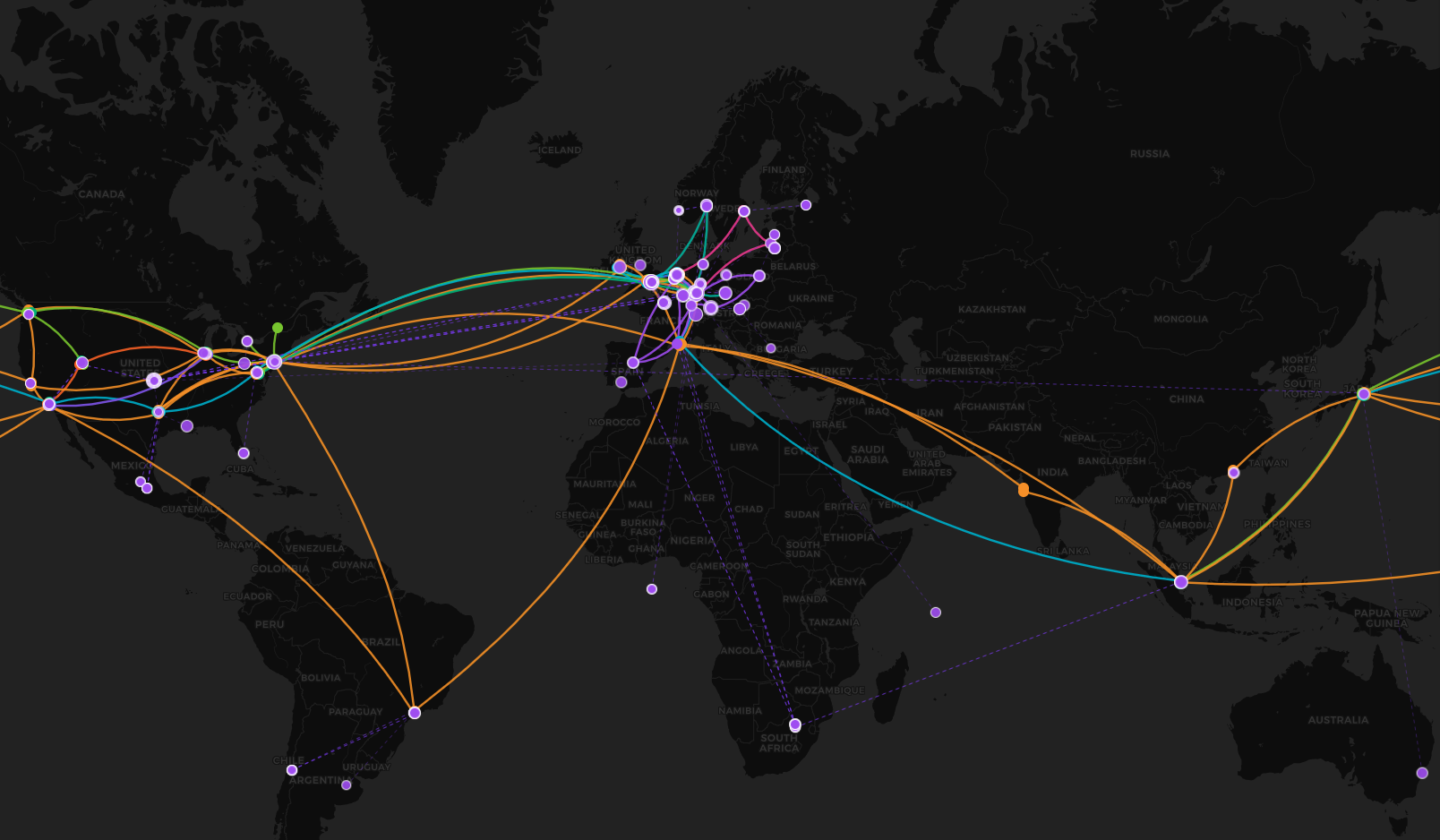
With Claude writing most of the code, I could spin up a new page in an afternoon. Status dashboard? Done. Topology map? Done. Outage timeline? Path calculator? Failure simulations? I’d describe a feature, review the code, and move on. Repeat.
It snowballed. What started as a chat UI became a full data app. User auth with usage limits? Sure. Durable workflows for chat sessions? No problem. The chat feature that started it all is now just one way to interact with the data.
The numbers
The numbers are a bit absurd: ~120k lines across 463 files, 91 API endpoints. Months of work in weeks.
It reminded me of when I first started programming, that moment where abstraction clicks. This felt like that, but the abstraction was English. What we have at our fingertips right now is hard to put into words.
We’re all frontend developers now
The bottleneck used to be “can you write this code?” Now it’s more like “do you know what you want?”
I knew what the app should do, what good UX looked like, when the code was wrong. That was enough. Claude handled the rest.
It’s not that frontend skills don’t matter. They do, for the hard problems. But the barrier to building something decent dropped significantly. Backend devs can ship frontends. Solo devs can build full-stack apps.
Different speeds
Not everything moved as fast. Some parts of the stack needed more hand-coding, more thinking, more iteration. The domain was fuzzier. The feedback loops were slower.
The frontend was the extreme case: describe, review, ship. The backend was more collaborative: think, scaffold, iterate, verify. Both faster than doing it alone.
What early feels like
It’s not magic. You still review the code. You still catch bugs. You still architect the system.
But it feels like magic sometimes. I built in a couple weeks what would have taken me months alone. Not because the AI is perfect. It’ll confidently write bugs, make wrong assumptions, miss context. But the iteration speed is the difference. Fix the bug, keep moving.
This is what early feels like. The tooling and the models will keep getting better.